Table of Contents
Why Students Who Sleep Better Perform Better in Exams
Introduction: The Silent Factor Behind
The Brain’s Night Shift—What Really Happens When You Sleep
The Hidden Enemies of Sleep Students Overlook
Routines That Rewire Your Brain for Rest and Retention
The Sleep-Study Equation When to Study and When to Stop
The Emotional Payoff — Sleep and Mental Resilience
How Better Sleep Improves Exam Performance (Science-Backed Study Guide for Students)

Introduction: The Silent Factor Behind Every Top Performer
I’ve been there myself cramming until 3 a.m. the night before an exam, fueled by coffee, pride, and the belief that sacrificing sleep equals success. For a brief moment, it feels heroic: you’ve “put in the work.” But the next morning tells a different story: your brain feels foggy, details slip away, and even the simplest questions suddenly seem harder than they should.
Here’s the truth that changed everything for me: top performers don’t just study harder—they sleep smarter. Science confirms that success isn’t built on endless hours of effort alone—it’s built on the foundation of rest. Sleep is the invisible force that strengthens memory, sharpens focus, and fuels the mental stamina required to turn late-night revision into actual exam performance.
In this article, I’ll share the hidden link between sleep and academic achievement. From how your brain processes information while you rest to practical strategies for building smarter sleep routines, you’ll discover why students who prioritize quality sleep don’t just feel better—they perform better.
The Brain’s Night Shift—What Really Happens When You Sleep

Imagine your brain as a busy office at the end of a chaotic day. Papers are stacked everywhere, emails pile up, and tasks are scattered across desks. During sleep, your brain doesn’t just power down it goes into night shift mode, sorting, cleaning, and organizing everything you experienced during the day.
This process is called memory consolidation. Facts, formulas, vocabulary, and key concepts you learned don’t just magically stick; they shift from short-term chaos into long-term clarity. Think of it like transferring messy notes into a perfectly organized filing cabinet so when you open your mind the next day, everything is easier to access and apply.
But it’s not just about remembering facts. During REM sleep, your brain enters a creative mode. Neurons fire in unique patterns, making new connections between ideas. This is why sometimes, after a good night’s rest or even a short nap, a tough problem suddenly seems solvable, or an essay idea clicks effortlessly.
Here’s a student example: I remember struggling with a particularly tricky math problem the night before an exam. I kept staring at it for hours, making no progress. The next morning, after a solid night’s sleep, the solution felt almost obvious. That wasn’t luck it was my brain at work, consolidating memories, connecting patterns, and clearing mental clutter while I rested.
Sleep is not wasted time it’s active brainwork. Every hour you rest, your memory is strengthened, creativity is boosted, and you are better prepared to perform at your peak when it really matters.
The Hidden Enemies of Sleep Students Overlook

Even the most motivated students often sabotage their own exam performance without realizing it. The enemies aren’t always obvious things like late-night scrolling, caffeine, and mental overload quietly undermine both the quality and quantity of sleep, turning hard work into wasted effort.
Late-Night Scrolling: The Silent Thief of Hours
Picture this: it’s 11:30 p.m., your textbooks are closed, but your phone lights up with notifications. You tell yourself, “Just one more reel,” and before you know it, two hours have disappeared. This isn’t just wasted time your brain is being tricked into thinking it’s still daytime.
This phenomenon is known as digital insomnia. Blue light emitted by phones, tablets, and laptops suppresses melatonin, the hormone that signals your body to sleep. Even short exposure before bed can delay sleep onset, reduce REM cycles, and make memory consolidation less effective. Essentially, the very device meant to relax you is actively sabotaging your ability to perform the next day.
Caffeine: A Double-Edged Sword
Caffeine is a student’s go-to for late-night study sessions, but timing is critical. A cup of coffee or energy drink in the evening may help you power through a last-minute revision, but it also disrupts your natural sleep cycle. Deep, restorative sleep is where the brain consolidates knowledge and strengthens memory. Without it, even hours of study may fail to “stick,” leaving you tired, foggy, and underprepared.
Mental Overload: When Thoughts Keep You Awake
Even without screens or caffeine, an overactive mind can sabotage sleep. Anxiety about assignments, exams, and deadlines floods your brain with cortisol, preventing it from entering the restorative stages of sleep. This mental clutter reduces focus, creativity, and problem-solving skills, making exam preparation less effective despite the effort you put in.
Sleep Debt: The Compounding Effect
All these factors contribute to sleep debt, a cumulative deficit of rest. Think of it like missing credit card payments: skipping a few nights’ sleep may feel manageable, but over time it compounds. Sleep debt doesn’t just make you groggy it negatively affects mood, attention span, cognitive flexibility, and even academic performance. Students often try to “catch up” by cramming, but without adequate sleep, the brain struggles to retain new information, turning all-nighters into a cycle of diminishing returns.
The hidden enemies of sleep digital distractions, caffeine misuse, mental clutter, and accumulating sleep debt don’t just steal rest; they silently erode the very foundation of academic performance. Recognizing and addressing them is the first step toward unlocking the full potential of your study efforts.
Routines That Rewire Your Brain for Rest and Retention

Sleep isn’t just about quantity it’s about quality and timing. Students often focus on “more hours” instead of training their brain to rest effectively. The truth is, the right routines can reprogram your mind for deep, restorative sleep, enhancing memory retention, focus, and exam performance.
The 90-Minute Pre-Sleep Cooldown
Instead of scrolling or binge-watching late at night, dedicate the last 90 minutes before bed to a wind-down routine.
- Screens off: Blue light suppresses melatonin, delaying sleep onset. Switching off devices signals your brain that it’s time to shift into rest mode.
- Warm light or dim lamps: Gentle lighting encourages melatonin production and reduces cognitive arousal.
- Journaling: Spend 5–10 minutes jotting down thoughts, to-do lists, or reflections. This frees your mind from mental clutter and lowers bedtime anxiety.
Students who adopt this routine notice they fall asleep faster, experience uninterrupted REM cycles, and wake up feeling genuinely refreshed rather than groggy.
The Mind Dump Ritual
Sometimes your brain is too full of academic stress to relax. The mind dump is a simple but powerful technique:
- Grab a notebook or digital app.
- Write down every thought, task, or worry related to studies.
- Close the notebook—your brain now trusts that this information is safely stored and doesn’t need to linger in your mind.
This practice reduces nighttime anxiety, prevents overthinking in bed, and helps consolidate memory, turning restless nights into productive cognitive downtime.
The Morning Reset Rule
How you wake up is as important as how you go to bed. Sunlight exposure within 30 minutes of waking helps reset your circadian rhythm, regulate cortisol, and signal to your brain that it’s daytime. Even 10–15 minutes by a window or a short walk outside can:
- Improve alertness and mental clarity.
- Stabilize emotional mood, reducing morning irritability or exam nerves.
- Enhance cognitive endurance for long study sessions or back-to-back classes.
Integrating these three routines the 90-Minute Cooldown, Mind Dump, and Morning Reset—creates a biologically aligned sleep cycle. Students who follow them consistently report better memory recall, increased problem-solving speed, and higher confidence during exams, because their brain has finally learned to rest efficiently while still consolidating learning.
The key insight: it’s not just about more sleep, it’s about smarter sleep. Training your brain with intentional routines transforms rest from passive downtime into an active learning tool that amplifies every hour spent studying.
The Sleep-Study Equation When to Study and When to Stop

Many students believe that staying up late is the ultimate sign of dedication. They cram until 2 a.m., feeling productive, only to wake up groggy and forget what they studied. The truth is, late-night studying often creates an illusion of efficiency. Without proper sleep, your brain struggles to consolidate memories, making long hours of study far less effective than shorter, well-timed sessions.
Optimal Study-Sleep Timing
Science shows that timing matters as much as effort. Reviewing important material about an hour before bed can reinforce memory because your brain actively consolidates the information during sleep. This “last exposure” acts like a mental bookmark, helping facts move from short-term chaos into long-term clarity. For example:
- Language learners can review new vocabulary before bed.
- Math students can mentally run through formulas.
- History or science students can skim key events or concepts.
This doesn’t mean endless hours just targeted review sessions at the right time to maximize retention.
Strategic Power Naps
Power naps are another tool in the student’s arsenal. A 20-minute nap can:
- Restore alertness and mental energy without entering deep sleep that causes grogginess.
- Enhance focus for afternoon or evening study sessions.
- Reduce cumulative sleep debt and improve mood.
Timing is critical: early afternoon naps work best. Napping too late may interfere with nighttime sleep, defeating the purpose.
Mini Case Study: Sleep vs. All-Nighters
Research consistently supports the power of sleep for learning: students who slept around 7.5 hours retained up to 40% more information than those who pulled all-nighters. This is not hypothetical real classrooms have observed that students who balance study and rest consistently outperform peers who sacrifice sleep in the name of extra study hours.
The key takeaway: studying smarter isn’t about how late you stay awake it’s about aligning your study sessions with your brain’s natural sleep cycles. Strategic review, well-timed naps, and sufficient nightly sleep create a compounding effect, making every hour of study exponentially more effective.
The Emotional Payoff — Sleep and Mental Resilience

Sleep isn’t just about memory and focus it’s the secret weapon behind emotional resilience and motivation. When you rest properly, your body regulates cortisol, the stress hormone. Balanced cortisol levels reduce anxiety, keep your energy stable, and make it easier to approach challenging tasks with confidence. In other words, good sleep equips your brain to handle both exams and everyday pressures without tipping into burnout.
How Sleep Shapes Emotional Control
Ever notice that when you’re exhausted, even small tasks feel unbearable? That’s because tiredness amplifies emotional reactivity. A lack of sleep doesn’t just make concentration harder it increases irritability, magnifies stress, and fuels procrastination. You’re not inherently unmotivated or lazy; your brain simply struggles to manage impulses when it’s running on low rest.
Think of it this way:
- Sleep-deprived students often postpone assignments, feel overwhelmed during study sessions, or avoid tackling difficult problems.
Well-rested students can stay focused, recover quickly from mistakes, and approach learning with curiosity instead of dread.
A Relatable Insight
You don’t hate studying you just hate how tired your brain feels doing it. When your neural circuits are fatigued, motivation plummets, and every task seems heavier than it is. Restored sleep, even by one extra hour, can transform that feeling into engagement and drive, making exam prep feel manageable instead of exhausting.
The Takeaway
Prioritizing sleep is an emotional investment, not wasted time. By letting your brain recharge, you’re not just improving grades you’re training yourself to handle stress, resist procrastination, and stay motivated during high-pressure academic periods. Think of it as building mental armor that keeps your focus sharp, your moods stable, and your motivation consistent.
Rebuilding a Healthy Sleep Culture Among Students

When I first started treating sleep like a secondary concern, I thought staying up late was part of being a “dedicated student.” But over time, I realized that sleep isn’t laziness it’s a powerful study strategy. Learning to respect rest transformed my ability to focus, retain information, and even enjoy studying.
Accountability Helps Build Consistency
One of the most effective ways to reinforce healthy sleep habits is through social accountability. Roommates, study partners, or even virtual study groups can encourage each other to:
- Stick to a consistent bedtime.
- Reduce late-night distractions.
- Celebrate small improvements, like finishing the day with a full night’s rest.
I personally found that having a roommate who respected lights-out times made it far easier to commit to sleep routines. Peer support creates a subtle but powerful pressure that keeps your habits on track, without feeling forced.
Micro-Actions to Start Tonight
You don’t have to overhaul your entire life to improve sleep small, intentional tweaks work wonders:
- Dim the lights 30–60 minutes before bed to cue your brain for rest.
- Silence notifications to prevent digital interruptions.
- Gratitude journaling: write 2–3 things you accomplished or are thankful for before sleep this calms the mind and reduces stress.
Tie to Discipline and Academic Growth
Building a healthy sleep culture isn’t just about tonight it’s about long-term performance and self-discipline. Each small step reinforces your brain’s natural rhythms, improves memory retention, and strengthens your focus for exams and assignments. Over time, these micro-actions compound, turning consistent sleep into a competitive advantage.
The key insight: Sleep is a tool you can design, practice, and optimize just like any other study habit. Treat it as an essential strategy, and your mind and grades will thank you.
Consolation:
In the end, the difference between struggling students and top performers isn’t just hours spent studying it’s the quality of sleep that fuels their brain, sharpens memory, and strengthens focus. By understanding the science of rest, avoiding hidden sleep saboteurs like late-night scrolling or caffeine, and adopting smart routines such as pre-sleep wind-downs, power naps, and morning sunlight resets, students can transform how they learn, retain, and perform under pressure. Sleep is more than recovery it’s a strategic tool that enhances mental resilience, motivation, and exam confidence. Start tonight with even one simple habit, and you’ll feel the difference tomorrow; your mind will work with you, not against you, turning every study session into lasting academic success.
Related Articles And Topics


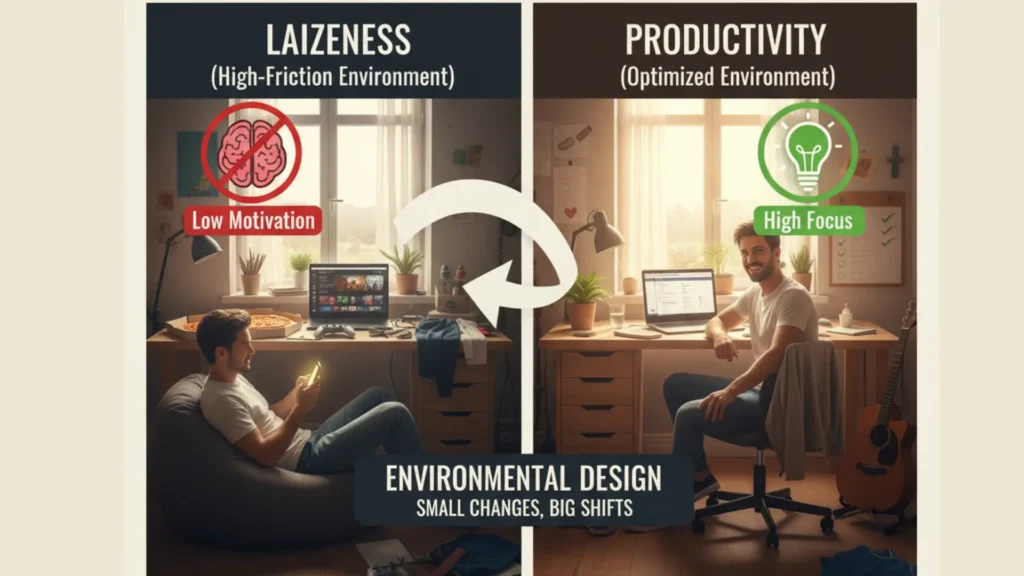





Unlock 150 motivational quotes for students to beat laziness, stay focused, and build confidence. Perfect inspiration for exams, studies, and daily success ,..readmore..