
Daily Motivational Quotes & Study Tips for Students
Practical quotes, study tips and real success stories — short, honest advice that helps you focus, build good habits and keep going, one day at a time.
Start With Study Tips
Get Motivated Today
Explore by Topic
Pick a topic and start with the best articles in that area — every guide is short, practical and written for real student life.
Study Tips & Focus
How to Study for Exams in One Week: A Realistic 7-Day Plan
How to Study Effectively: 6 Methods That Actually Work
Time Management Tips for Students: How to Plan a Week You Can Actually Keep
Motivation & Discipline
Self Motivation Techniques for Students: 10 Ways to Start and Keep Going
Discipline vs Motivation: What Actually Works for Students (And Why Motivation Fails)
Procrastination for Students: Why You Put Things Off – and 5 Ways to Start
Mental Health, Sleep & Habits
Sleep Before Exams: How a Full Night’s Sleep Helps You Remember More
From Stress to Success: 5 Mental Health Routines for Students
Micro Habits for Students: Small Steps That Actually Stick
Quotes & Comeback Stories
150 Motivational Quotes for Students to Stay Inspired Daily
Student Comeback Stories: How to Rise Again After Failure
Student Life Skills
Beyond Grades: How Students Can Build Confidence, Creativity & Communication
Smart Money Habits Every Student Should Learn
How to Reduce Social Media Addiction as a Student and Study Better
Latest Articles

Forgetting Curve: Why You Forget in 24 Hours and How to Stop It
26 November 2026 — Why you forget so fast — and a simple 1–3–7–14 review plan that stops it.
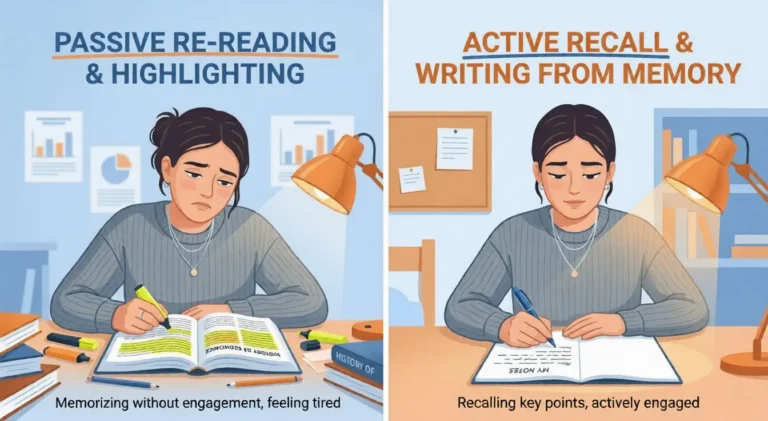
Feynman Technique: Learn Anything Faster by Teaching It
25 November 2026 — Close the book and explain it in simple words, as if to a 12-year-old.
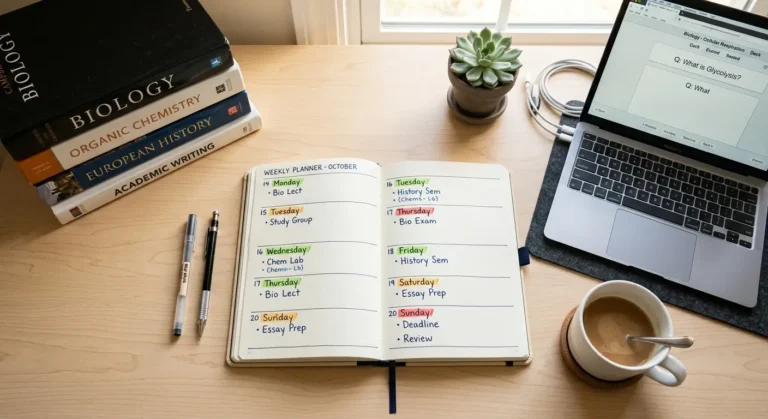
How to Study for Exams in One Week: A Realistic 7-Day Plan
19 June 2026 — A day-by-day plan that works, even if you start late.
Most Popular

How to Study Effectively: 6 Methods That Actually Work
18 April 2026 — 6 methods that actually work to remember more in less time.

Self Motivation Techniques for Students: 10 Ways to Start and Keep Going
Practical ways to push yourself when motivation runs low.

Time Management Tips for Students: How to Plan a Week You Can Actually Keep
Plan your day, beat procrastination and get more done.
Why Inspire Students?
I know what it feels like to stare at a textbook and feel nothing stick. I struggled through my own studies — distracted, unmotivated, and convinced I just was not good enough. The turning point came when I stopped relying on willpower and started studying how motivation, focus and memory actually work. I built a simple system from psychology and neuroscience: small daily goals, active recall, short focused blocks, and honest self-review. It worked for me, and now Inspire Students shares that system — free, practical, and built for real student life — so you can study smarter, stay motivated, and succeed without burnout.
Start Here
1. Pick your problem
Find the problem holding you back — procrastination, low motivation, poor focus or bad habits.
2. Try one technique
Pick one guide and try one technique from it today — small and simple beats big and overwhelming.
3. Ten minutes a day
Spend just ten minutes a day on your new habit. After one week, review your progress — small wins build real momentum.
Get Study Tips in Your Inbox
Get practical study tips and motivation in your inbox — short, useful emails, no spam.
Frequently Asked Questions
How can I stay motivated during exams?
Set small daily goals, take breaks between study sessions, and reward yourself after completing tasks. Remind yourself why you’re studying (your dream career, better future). Also, avoid comparing yourself with others — focus on your own progress.
What is the best study routine for students?
The best routine is one that balances study, rest, and relaxation. A good method is the 50/10 rule — study for 50 minutes, then take a 10-minute break. Revise daily at the same time, and sleep well at night to keep your memory strong.
How do I deal with stress and pressure as a student?
Practice deep breathing, do light exercise, and keep a positive mindset. Talking with friends or mentors also helps. Remember: stress is normal, but learning to manage it makes you stronger.
Can I improve my focus if I get distracted easily?
Yes. First, remove distractions (like turning off notifications). Second, use a timer to keep track of your study sessions. Finally, start with small chunks of study material and gradually increase your focus time.
What are the most effective study techniques?
Active recall (testing yourself instead of just reading); Mind maps & notes for quick revision; Past papers practice for exams; Teaching others — explaining a topic makes you remember it better
Set small daily goals, take breaks between study sessions, and reward yourself after completing tasks. Remind yourself why you’re studying (your dream career, better future). Also, avoid comparing yourself with others — focus on your own progress.
The best routine is one that balances study, rest, and relaxation. A good method is the 50/10 rule — study for 50 minutes, then take a 10-minute break. Revise daily at the same time, and sleep well at night to keep your memory strong.
Practice deep breathing, do light exercise, and keep a positive mindset. Talking with friends or mentors also helps. Remember: stress is normal, but learning to manage it makes you stronger.
Yes. First, remove distractions (like turning off notifications). Second, use a timer to keep track of your study sessions. Finally, start with small chunks of study material and gradually increase your focus time.
Active recall (testing yourself instead of just reading); Mind maps & notes for quick revision; Past papers practice for exams; Teaching others — explaining a topic makes you remember it better