
How to Stop Using Social Media Too Much as a Student
When I first reduced my social media usage, I realized how much time I had been wasting scrolling through Instagram and Facebook. Instead, I started structuring my day with 14–15 hours of focused studies, exercise, meditation, and proper sleep. This shift completely changed how my brain and hippocampus function. By understanding the mechanism behind dopamine and serotonin, I gained more control over my urges to constantly check notifications.
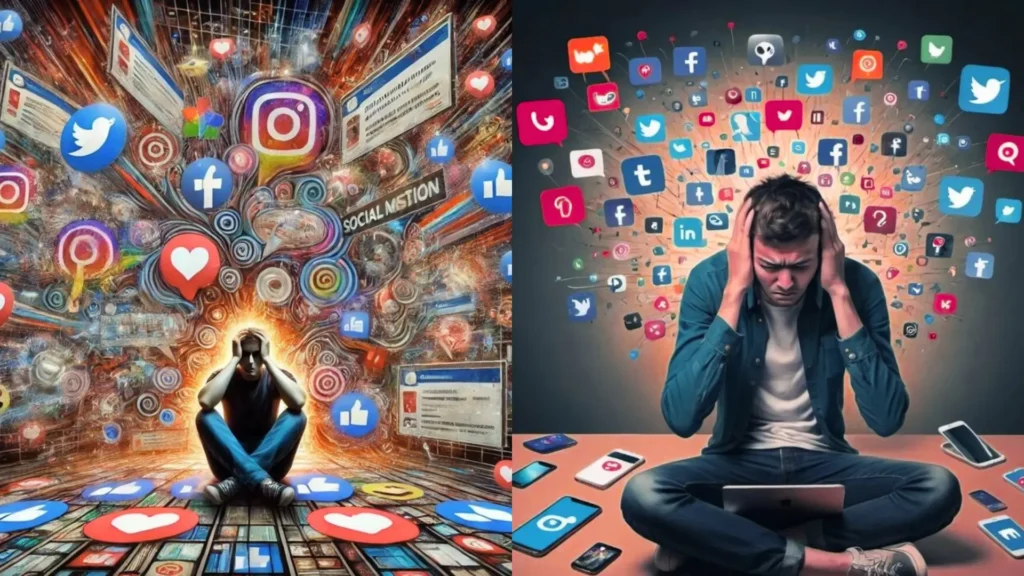
Spending meaningful time with family and friends during online classes and breaks helped me feel more engaged in subjects I genuinely love, turning distraction into motivation. Shifting focus from online scrolling to active learning made me interested in studies and allowed me to master each subject at my own pace. I stopped chasing likes or money from passive scrolling and instead relied on research papers, TEDx talks, and online classes to learn deeply. The balance of study, exercise, and 6 hours of good sleep gave me a routine that boosted productivity and focus, even in 9th grade.
How to Quit Social Media but Still Stay in the Loop

At 22, I realized that excessive use of Instagram and other platforms had a massive impact on my mental health and emotional state. The constant cruelty, pressure, and comparison online made me feel like a sensitive snowflake, often leaving me in tears. I knew I had to quit, but staying in the loop mattered too.
My strategy was simple: gradually delete apps, redownload only when necessary, and practice strict self-control. Managing notifications, setting clear time limits, and learning not to get overwhelmed helped me strike balance. This way, I could still stay connected while reclaiming my time, reducing stress, and improving health. Even when quitting seems impossible, balance through smart habits can help you enjoy life without being online 24/7.
Why You Should Stop Using Social Media
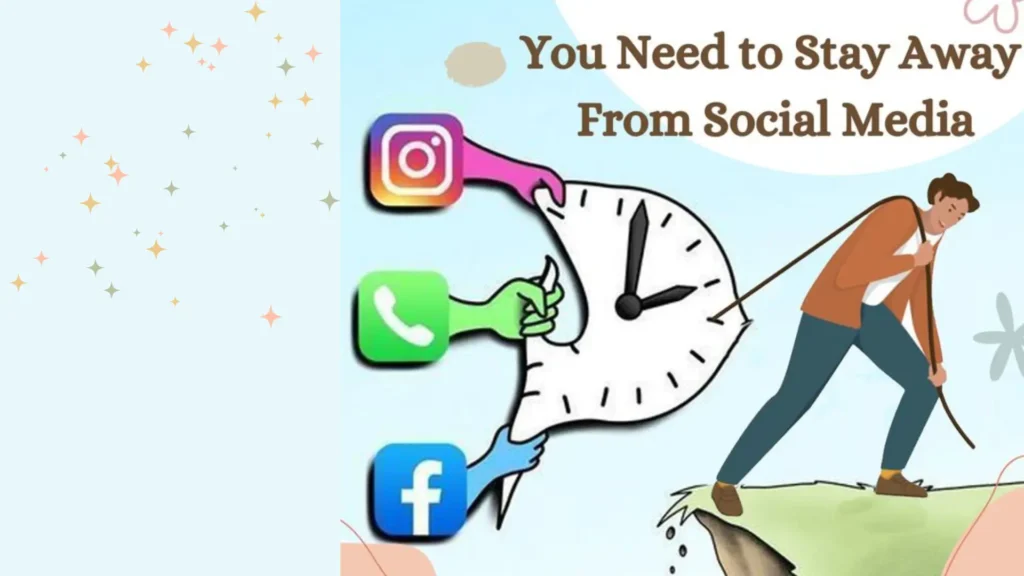
Scrolling every day might feel harmless, but in reality, it negatively impacts confidence, growth, and studies. Many students fall into the trap of addiction created by endless scrolls and notifications designed to keep attention for profit. This can lead to stress, anxiety, depression, and in extreme cases, suicidal thoughts.
Logging off, limiting screen time, and focusing on real-life activities like friendships, family, and hobbies helped me strengthen focus and reclaim time. Research also proves that reducing social media addiction improves body awareness, image issues, and overall well-being. Sometimes, the smartest step is to disconnect and live fully while still keeping meaningful friendships.
10 Dangers hack of Social Media & How Students Can Avoid Them
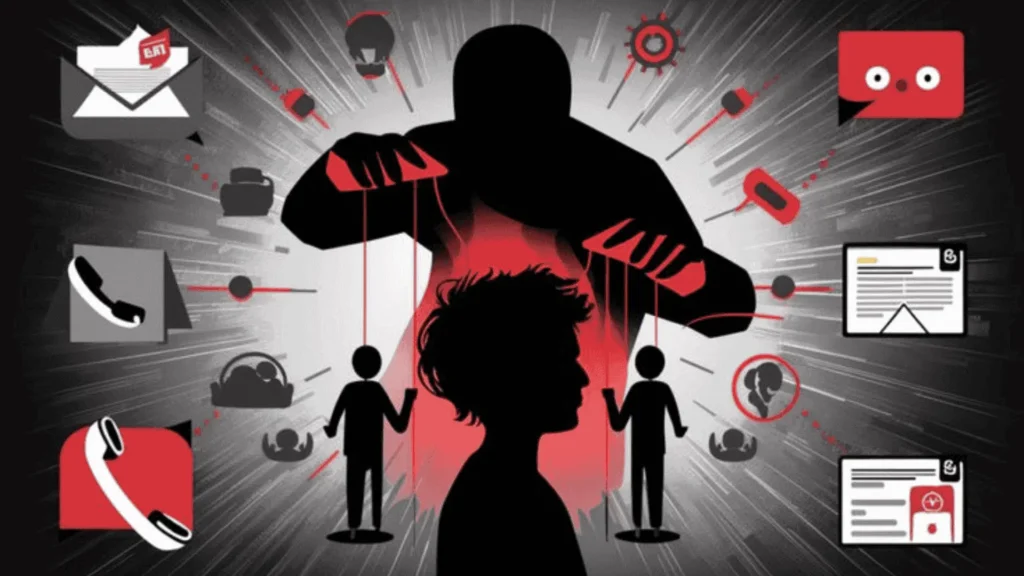
Social media is everywhere, offering benefits, but students must also face hidden dangers and risks that can harm their studies, health, and future. The key is to take practical steps to avoid harm while still using these platforms responsibly.
1. Poor Sleep
Set a digital curfew and keep your phone away from your bed at night. This avoids late scrolling, protects your brain’s natural rhythm, and keeps you energized during the day.
2. Social Media Addiction
Apps are designed to hook students. Regain control by tracking your daily usage, setting limits, or doing weekend detoxes to reset your brain and reduce stress.
3. Cyberbullying
Online bullying damages confidence. Always report or block bullies and talk to someone you trust. Creating safe spaces online protects your mental health.
4. Losing Real-Life Connections
Spending too much time online weakens bonds with family and friends. Prioritize face-to-face time and don’t let your phone replace meaningful conversations.
5. Social Comparisons
Constantly seeing “perfect lives” can lower self-esteem. Unfollow accounts that make you feel bad and remind yourself that social media is not real life.
6. Damaged Self-Image
Filters and fake standards distort identity. Limit exposure and remember that online images rarely reflect reality.
7. Misleading Information
Fake news spreads fast. Always verify before you believe or share to avoid misinformation.
8. Scams & Fraud
Be cautious—don’t share personal info or money online without proper research. Fake shops, romance scams, and phishing links target students daily.
9. Harmful Content
Avoid risky links, explicit material, or violent challenges. Use parental controls, block shady accounts, and stay away from harmful spaces to protect yourself.
10. Time Wasting
Excessive scrolling steals precious hours. Replace that with study, exercise, or hobbies. Setting boundaries ensures you spend time productively.
Smart Ways to Avoid Social Media Traps
To maintain peace of mind and protect your reputation, it’s crucial to choose wisely which accounts and links you follow online. Always follow positive and trustworthy profiles that educate and motivate you, while unfollowing accounts spreading negativity or hate.
Block harmful pages, avoid suspicious links, and never share private images or messages with strangers. Setting online boundaries today helps protect your future opportunities. Simple tips like muting toxic accounts or choosing to unfollow accounts that spread negativity will safeguard your mental health and keep your online identity safe.
Your online activity shapes your reputation, so act wisely, stay smart, and always protect yourself.
Positive Side of Social Media for Students
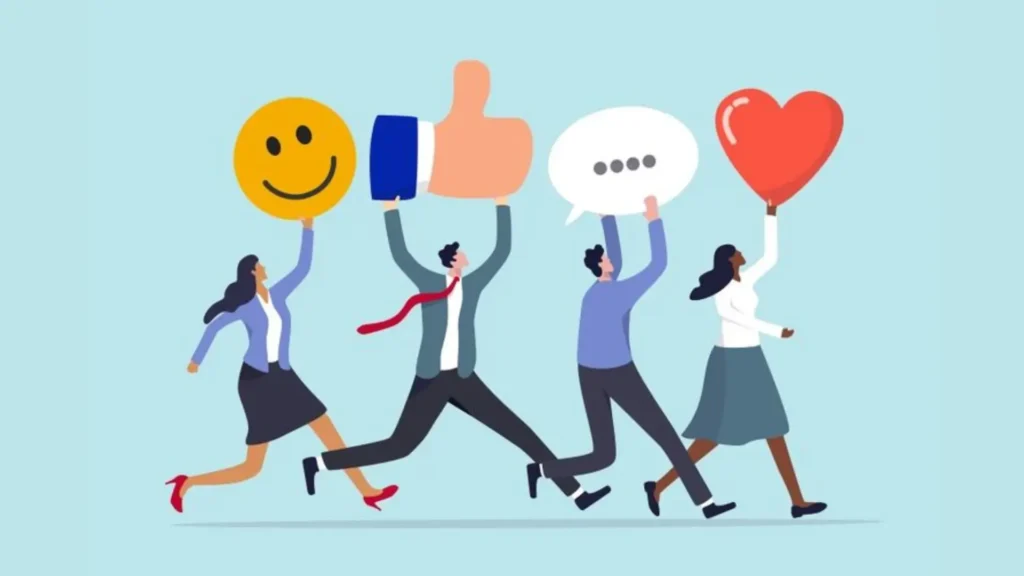
While overuse is harmful, social media also provides real benefits for students. Platforms like YouTube, LinkedIn, and professional groups allow learners to explore, connect, and collaborate with classmates, mentors, and peers. Study groups and discussions create opportunities for student growth in academics, personal branding, and even career paths.
Social media can be a learning tool, offering free knowledge, podcasts, and career opportunities. It allows students to express themselves, build empathy, strengthen communication, and even engage with global issues like climate change or student rights. With intentional use, it becomes a supportive tool that enhances learning and builds meaningful offline friendships, helping students grow as responsible digital citizens.
Conclusion
In the end, mastering how to stop using social media too much as a student is less about quitting entirely and more about using it wisely to enhance your growth, learning, and relationships. By understanding the dangers like poor sleep, addiction, cyberbullying, and time wasting, while simultaneously leveraging its positive side from career opportunities and academic support to personal growth and meaningful connections students can turn social platforms into powerful tools rather than distractions. Setting boundaries, practicing self-control, and intentionally choosing trustworthy accounts helps protect mental health, reputation, and future opportunities, while still allowing the benefits of online communities, learning, and collaboration. The key is mindful use: a strategy that not only avoids harm but actively nurtures knowledge, skills, and personal development, transforming the digital experience into a pathway for a smarter, healthier, and more fulfilled student life.
Related Articles And Topics











Unlock 150 motivational quotes for students to beat laziness, stay focused, and build confidence. Perfect inspiration for exams, studies, and daily success ,..readmore..

