Table of Content
Working Smarter to Enhance Productivity
The Importance of Time Management for Students
Boost Productivity and Achieve Academic Success Faster
Top Time Management Skills for Better Work Efficiency
Top 10 Time Management Skills and Techniques Every Student
How to Work Smarter and Achieve More in Less Time
The Benefits of Good Time Management
Smart Time Management Tips to Boost Student Productivity

When I first started juggling college life and homework, I realized that a strategic approach to time management was essential to stay productive. Organizing your day by scheduling important tasks first and using remaining free time for lighter activities eliminates stress while maintaining balance between studies and personal life. Even small steps, like sleeping well and setting blocks for focus, can help you develop consistent habits and ensure you make the best use of your time, keeping you on track without feeling overwhelmed.
Working Smarter to Enhance Productivity
Making productive use of every hour without feeling stressed is crucial. Breaking large tasks into smaller chunks, scheduling strategically, and reviewing progress at the end of each session can accelerate achievement of academic goals. Combining university and college responsibilities with thoughtful planning not only saves time but also lets you value free moments wisely, creating a consistent routine that maximizes productivity.
The Importance of Time Management for Students: Study Smarter, Stress Less

Managing multiple tasks, assignments, and subjects requires clarity and purpose. By tracking what you need to do and prioritizing important activities, you can maintain balance, gain confidence, and accomplish more without feeling overwhelmed. Simple techniques like creating daily schedules, estimating time realistically, and understanding the reason behind each activity help optimize efficiency and make every study session meaningful.
Boost Productivity and Achieve Academic Success Faster

Time management allows students to plan their day step by step, making it easier to stay focused and complete work efficiently. Prioritizing tasks and adopting effective strategies ensures you make the best use of available hours while minimizing stress and distractions, enabling faster progress toward both short-term and long-term goals.
Enables You to Prioritize Your Work
Creating a timetable helps students allocate the right attention to each task. Breaking work into manageable sessions allows you to handle lectures, study time, and personal activities effectively. Knowing when to focus on each task ensures that everything gets done without feeling overwhelmed, which strengthens both academic performance and daily routines.
Enables You to Get More Done in Less Time
By dedicating specific periods to individual tasks and minimizing distractions, you can complete more work efficiently. Structured routines allow multiple tasks to be finished in less time, making your day productive and purposeful while freeing up energy for additional projects or personal growth.
Reduces Stress Levels
Time management is essential for completing daily responsibilities without pressure. Prioritizing important tasks and setting aside time for each ensures calmer, more productive days. Structured planning reduces the likelihood of last-minute rushes, builds long-term habits, and allows students to accomplish goals consistently while maintaining mental clarity.
Helps You Become More Efficient
Effectively managing tasks increases overall productivity by reducing procrastination and keeping students focused. Combining practical strategies with structured schedules enables learners to achieve more in less time, turning every study session into an opportunity to improve performance and skil
Top Time Management Skills for Better Work Efficiency

Mastering time management involves:
- Making a plan
- Creating a priority list rather than a to-do list
- Starting early
- Breaking down every task into smaller chunks
- Practicing decision-making
- Delegating tasks
- Setting SMART goals
- Setting up deadlines
- Being mindful of when you’re going off-track
- Learning to set boundaries and say no
- Minimizing distractions
- Dealing with stress wisely
- Avoiding multitasking
- Using the 20-minute rule
- Taking time off
- Building a system and following it diligently
Effective time management allows students to control their time, improve focus, and accomplish meaningful work without wasting effort, creating a foundation for long-term achievement.
Top 10 Time Management Skills and Techniques Every Student Must Master

Staying consistent with studies is one of the biggest challenges students face—especially when distractions, burnout, or lack of clarity take over…
Learning these skills can dramatically improve productivity and academic success:
1. The Ultimate Guide to Daily Schedule Templates for Better Time Management
Blocking every minute of your day helps focus on high-priority tasks. Templates inspired by successful figures like Elon Musk and Bill Gates allow structured planning to overcome procrastination and stay organized, ensuring maximum efficiency.
2. How to Track Your Time Effectively and Stop Wasting Hours Without Realizing
Keeping a record of every activity helps students analyze, evaluate, and identify areas where time is wasted. Tracking tasks allows development of productive routines, improving focus, creating strategies for improvement, and making it easier to stay on top of priorities.
3. How to Set SMART Goals and Effectively Track Your Progress
Setting clear goals and reviewing them regularly keeps students motivated. Breaking projects into smaller steps, planning weekly or monthly objectives, and monitoring progress ensures efficient work, better results, and long-term habits that reinforce academic success.
4. How to Break Down Big Projects into Smaller, Actionable Tasks for Maximum Productivity
Segregating large projects into smaller tasks builds momentum and prevents procrastination. Completing daily tasks one step at a time reduces overwhelm, making huge projects manageable and achievable.
5. How to Estimate Time Accurately and Complete Tasks Without Stress
Understanding how much time a task requires, factoring in complexity, and scheduling buffers helps avoid stress. Realistic planning and allocation ensures students complete work efficiently while maintaining focus.
6. How to Listen to Your Body’s Natural Energy Cycles for Better Focus and Productivity
Paying attention to periods of high and low energy throughout the day allows students to tackle intensive tasks when alert and save passive work for low-energy periods, maximizing productivity and maintaining balance.
7. Smart Study Breaks: How Proper Timing Boosts Concentration and Retention
Following natural rhythms with timed breaks improves retention and focus. Short pauses recharge the mind, prevent fatigue, and keep study sessions effective without sacrificing overall efficiency.
8. Stay Focused, Remove Distractions
Turning off phones, signing out of social media, and minimizing interruptions ensures students devote their time to essential tasks, maintaining consistent progress throughout the day.
9. Stop Multitasking
Concentrating on one task at a time prevents loss of focus and inefficiency. Setting aside a distraction-free area improves psychological focus and enhances overall productivity, reducing wasted effort.
10. Mastering Daily Routines and Habits to Achieve Lifelong Success
Intentional morning and night routines, repetitive schedules, and effective strategies ensure students concentrate on goals, maintain consistency, and turn small daily actions into long-term success. Developing habits and sticking to structured routines helps students win every day and achieve better results over time.
How to Work Smarter and Achieve More in Less Time

Prioritizing essential tasks, blocking distractions, and dedicating focus to one task at a time maximizes efficiency. Students can accomplish projects faster, preserve energy, and cultivate productive habits for sustainable success.
The Benefits of Good Time Management
Front-loading your day, following structured routines, and managing distractions allows students to maximize productivity, accomplish homework and projects with higher quality, and make meaningful progress. This structured approach ensures better performance, reduces stress, and provides opportunities for advancement while maintaining work-life balance.
Stress Relief
Proper time management helps tackle critical tasks calmly, reducing stress and pressure. Identifying potential time drains, prioritizing responsibilities, and allocating enough time for each task fosters a calmer, more productive mindset.
More Time
Efficient time management frees up hours in the day, allowing students to plan, take breaks, and maintain a healthy balance while achieving more without sacrificing quality.
More Opportunities
Structured planning increases the quality of work, enhances decision-making, and strengthens leadership abilities, providing greater chances for success and professional or academic advancement.
Ability to Realize Goals
Breaking down complex projects into manageable phases allows students to simplify activities, complete tasks efficiently, and focus on doing rather than overthinking. This makes achieving objectives realistic and more consistent.
Essential Tools for Smarter Time Planning
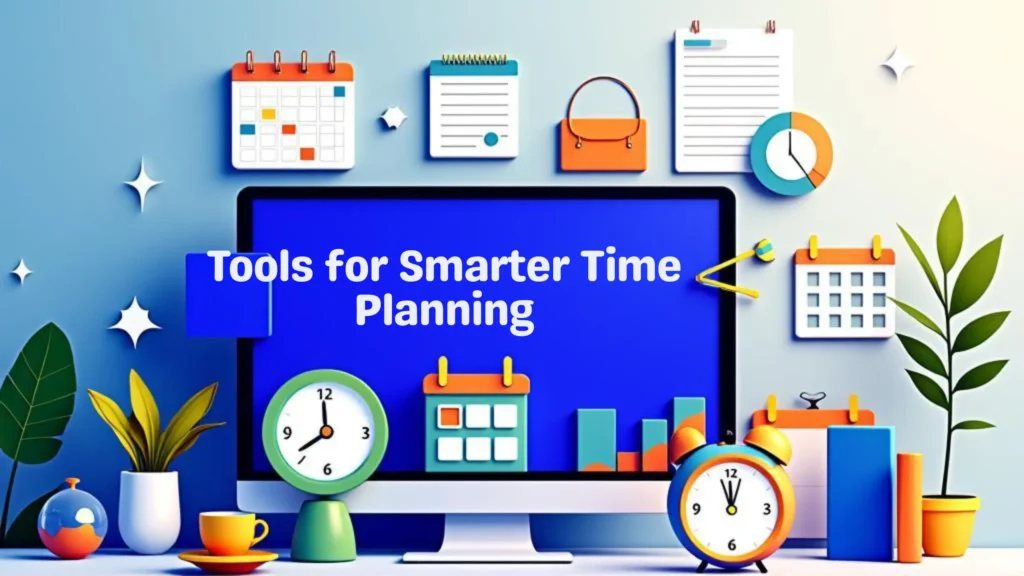
Using calendars, planners, notebooks, phone apps, and visual aids like wall charts or index cards supports consistent planning. Writing down priorities and key tasks, leveraging auditory reminders, and syncing tools improves focus and helps students maintain control over their schedules, making productivity both measurable and sustainable.
Using Planning Tools Effectively
To get the most value from a planning tool, always record information directly in it rather than jotting notes on scraps of paper that later need transferring, as that wastes valuable time. Make it a habit to review your tool daily, updating tasks and checking progress to stay on track. Keep your priority list inside the tool itself and revisit it often, ensuring your focus stays where it matters most. If you use more than one system—such as a phone app, a desktop planner, or a paper diary—be sure they are synchronized so all your schedules align without confusion. It’s also smart to maintain a backup system to prevent losing important data. Modern apps make this process even easier, typically falling into helpful categories:
Time Trackers – Provide awareness of how each hour is spent.
Time Savers – Help cut unproductive habits and boost efficiency.
Task Managers – Organize and prioritize responsibilities for better management.
Habit Developers – Support the creation of consistent, positive routines that strengthen time management skills.
Final Notes
Mastering time management transforms a student’s day, allowing them to prioritize tasks, eliminate distractions, and accomplish more in less time. By implementing structured routines, breaking projects into smaller steps, tracking progress, and using personal or digital tools, students can maximize productivity, reduce stress, and unlock opportunities for long-term academic and personal success. These actionable strategies empower learners to turn ordinary days into rewarding, efficient, and highly productive experiences.
Related Articles And Topics


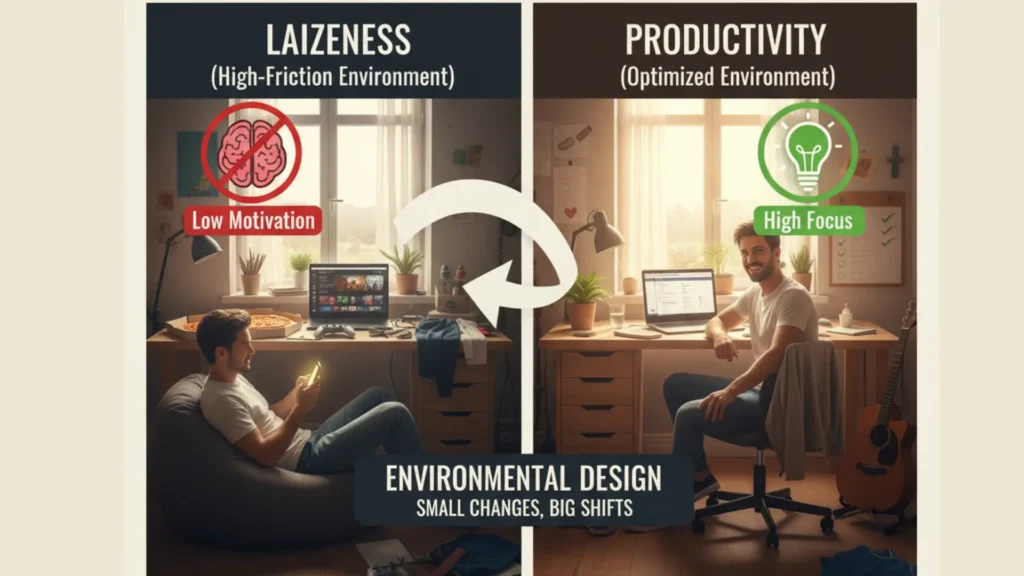






Unlock 150 motivational quotes for students to beat laziness, stay focused, and build confidence. Perfect inspiration for exams, studies, and daily success ,..readmore..