Table of Content
Student’s Guide to Active Recall and Spaced Repetition
The Problem with Traditional Studying
The Science of Memory (Explained Simply)
What is Active Recall? (The Secret Weapon of Toppers)
What is Spaced Repetition? (Learning That Sticks Forever)
Special Application: Quran Memorization (Hifz)
How to Combine Active Recall + Spaced Repetition (The Ultimate Study System)
Retain More in Less Time: A Student’s Guide to Active Recall and Spaced Repetition
When I first began preparing for an important exam, I relied on rereading books for long hours, hoping the information would somehow stick. But like many students, I quickly realized this traditional approach left me drowning in notes and forgetting more than I retained. The turning point came when I discovered active methods of study backed by science and proven to strengthen long-term memory. Suddenly, my learning felt productive, and the mental training I was doing boosted my confidence day by day.

What I found most powerful was how these systems allowed me to recall information effectively, even weeks later. Instead of endless, exhausting reviews, I could approach exams with calm certainty. The process wasn’t about cramming it was about spacing study sessions in a way that created lasting results. It felt like the shift from working hard to working smart. For the first time, I had a study system that guaranteed better performance.
With these proven methods, you don’t just retain more you learn to think, process, and engage with knowledge differently. Rather than being buried in material, you start training your brain to deliver clarity and confidence. And the best part? This isn’t just theory it’s practical, science-backed learning that countless students (myself included) have applied with real results.
The Problem with Traditional Studying

Back then, I believed that rereading and memorization were enough. But like many students, I fell for the illusion of mastery. Hours of repetition left me anxious and unprepared because information slipped away right before the exam.
The problem with these outdated strategies is simple: they don’t train your brain for long-term retention. Instead, they increase stress, waste precious time, and leave you scrambling at the last moment. In today’s world, where performance and focus matter more than ever, relying on passive methods only holds learners back.
The Science of Memory (Explained Simply)
When I first discovered the forgetting curve, it finally explained why my old habits failed. Our brains aren’t designed to remember everything forever. Within days or weeks, most of what we study fades unless we deliberately bring it back.
That’s where active recall and spaced repetition shine. Every time you retrieve knowledge, your brain builds stronger pathways, just like a muscle gaining strength with every workout. Spread over weeks, even a handful of well-timed reviews can turn short-term knowledge into lifelong mastery. The science is clear: cramming overloads the brain, while strategic review locks learning in place.
What is Active Recall? (The Secret Weapon of Toppers)
The real difference came when I stopped passively rereading and started testing myself. Active recall forcing your brain to pull out answers creates stronger memory pathways and sharpens retention. Every retrieval is a workout that strengthens knowledge.
How to Use Active Recall (3 Steps):
- Review the material you want to learn.
- Retrieve it without notes (quiz yourself, write from memory, or explain aloud).
- Check & correct with your notes, filling gaps.
Real Examples:
- Write everything you remember from a topic, then check what you missed.
- Use flashcards or apps to keep testing yourself.
- Teach a friend the act of explaining forces clarity.
Research (Karpicke & Blunt, 2011) shows that active recall outperforms even advanced strategies like concept mapping. It’s no surprise this is the go-to technique of top-performing students worldwide.
What is Spaced Repetition? (Learning That Sticks Forever)
I once thought late-night cramming was enough, but spaced repetition proved why it never worked. The brain forgets when information isn’t revisited at the right time. By reviewing material at increasing intervals, you strengthen memory instead of letting it fade.
The Science Behind It
Psychologist Ebbinghaus discovered the forgetting curve, and spaced repetition directly interrupts it. Each review acts like a weight-lifting session for your brain keeping knowledge strong. With this method, you actually spend less time studying while retaining far more.
Tools That Automate the Process
- Anki → AI-powered flashcards that schedule reviews automatically.
- Quizlet → Quick quizzes and group study options.
- RemNote → Combines note-taking with built-in spaced repetition.
When I first tried Anki, it turned repetition into a habit that saved hours. Quizlet made learning collaborative, while RemNote tied my notes directly to review schedules. These tools make smart study effortless.
Special Application: Quran Memorization (Hifz)

When I began memorizing the Quran, I quickly learned that daily recitation alone wasn’t enough. What truly worked was breaking each ayah into smaller parts, repeating them until they flowed smoothly, and reviewing them on a set schedule. A simple cycle—Day 0, Day 1, Day 3, Day 7, and Day 14 kept the verses fresh before they could fade.
Over time, this rhythm turned short-term effort into lasting fluency. What amazed me most was how closely this mirrored the science of spaced repetition the same method that helps students master academics also strengthens spiritual learning. It showed me that smart study isn’t limited to exams; it can transform focus, consistency, and lifelong memory in every area of life.
How to Combine Active Recall + Spaced Repetition (The Ultimate Study System)
The real magic happens when you combine both methods. First, use active recall to test yourself, then reinforce knowledge with spaced repetition at the right intervals. Together, they form a system that saves time, reduces stress, and delivers lasting mastery.
Example Routine:
- Day 0: Self-test immediately after studying.
- Day 1, Day 3, Day 7, Day 14, Day 30: Review using flashcards or quizzes.
- Track weak areas and give them extra recall practice.
Even 10 minutes of recall + review a day builds deeper understanding than hours of rereading.
Common Mistakes Students Make

Even with powerful techniques, many learners fall into traps that weaken results. Avoid these common mistakes to make your study sessions truly effective:
- Turning flashcards into notes → They should be questions, not long text.
- Adding too much at once → Overloading kills retention.
- Skipping reviews → Breaks the spaced repetition chain.
- Starting too late → Leads to last-minute cramming and stress.
- Studying passively → Reading without retrieval weakens memory.
- Focusing only on easy material → Ignoring weak spots hurts performance.
- Not aligning with exam formats → Practice essays, MCQs, or problem-solving as required.
Pro tip: A strong system is about consistency, not perfection. Even small adjustments eliminate these mistakes.
Additional Smart Study Boosters (Optional Enhancements)
Even though active recall and spaced repetition are the backbone of effective learning, small boosters can make a big difference.
Pomodoro Technique (Study in Bursts)
Instead of long, endless sessions that drain focus, break study into 25-minute bursts with 5-minute breaks. This prevents burnout, keeps concentration sharp, and leaves your brain fresh for recall.
Sleep, Exercise & Brain Health
Memory isn’t built at the desk alone it’s consolidated during deep sleep. Exercise improves blood flow to the brain, while a balanced diet fuels focus. Together, they create stronger neural connections, faster recall, and sharper attention.
Focus-Friendly Environment
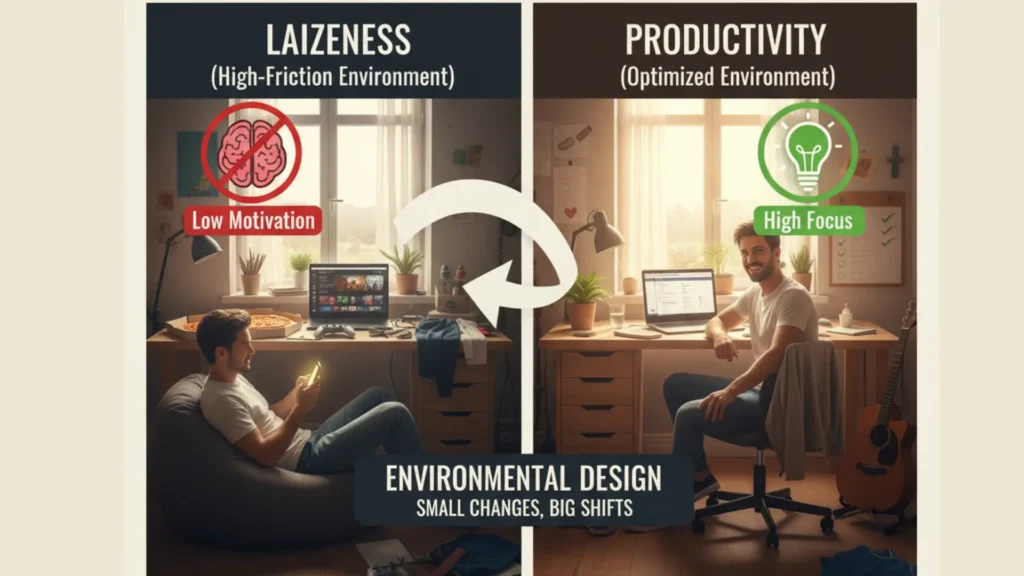
Distractions kill productivity. A cluttered desk, noisy room, or buzzing phone destroys study flow. The fix: create a quiet, well-lit, phone-free zone. One distraction-free hour beats three hours of multitasking.
Conclusion
In the end, retaining more in less time isn’t about working harder it’s about studying smarter. With active recall and spaced repetition as your foundation, you transform study into a confident, result-driven routine that guarantees mastery. These methods don’t just prepare you for exams they sharpen thinking, boost focus, and build lifelong knowledge. Whether you’re a student chasing grades, a professional learning new skills, or someone pursuing personal growth, this system adapts to you. And the best part? Every step compounds into lasting success, leaving you more prepared, more confident, and truly in control of your learning journey.
Take Action Today
Don’t just read about smarter learning—start applying it right now with these quick steps:
- Self-Test (Day 0): Pick one subject and see how much you recall without notes.
- Schedule Reviews: Use a free spaced repetition tool like Anki or Quizlet and set up your first session.
- Pomodoro Power: Set a timer for 25 minutes of focused study, followed by a 5-minute break.
- Track Weak Areas: Give extra recall practice to the topics you struggle with most.
- Stay Consistent: Even 10 minutes daily compounds into massive long-term results.
Small steps today create big wins tomorrow.