
Lazy to Focused for Students: How Your Space and Your First Step Change Everything
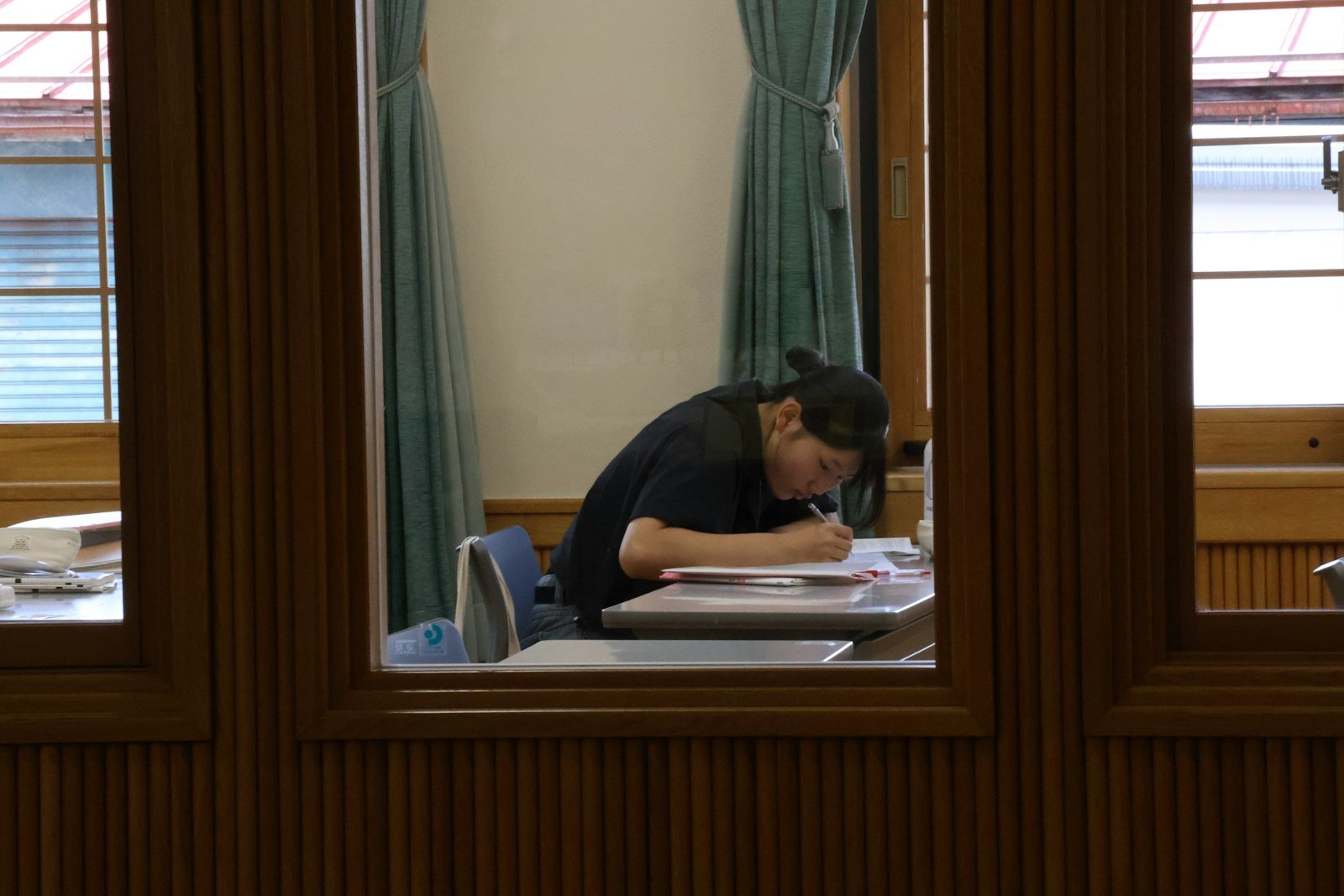
Feeling lazy is not a character flaw. It is usually a signal: you are tired, your first step is unclear, the task feels bad, or your phone is doing its job. This article is for students who call themselves lazy — and for the students who believe them. It will not tell you to try harder. It will show you how to change your study environment, shrink your first step, and build a simple daily routine, so focus becomes the easy option instead of the hard one.
This is not a medical article. If low mood, anxiety or poor sleep has lasted two weeks or more, the right next step is not a study tip — it is a conversation with a parent, a teacher, a school counsellor, or a doctor. Section 6 says when, and why.
Table of Contents
- How to actually use this page (two minutes, once)
- 1. “Lazy” is usually the wrong label — four real reasons
- 2. Build a study space that does the work for you
- 3. Starting is the hard part — shrink the first step
- 4. The phone plan — short, because the full plan is elsewhere
- 5. A simple daily focus routine — morning to evening
- 6. What to do on a bad day
- 7. What to do this week — a small plan, not a promise
- Pick one change. Start today.
- Frequently Asked Questions
- Sources
How to actually use this page (two minutes, once)
Do this first:
- Find the section that matches where you are right now. Feeling lazy? Section 1. Desk a mess? Section 2. Cannot start? Section 3. Bad day? Section 6.
- Pick ONE change from this page and do it today. Not all of them. One.
- Keep it for two weeks before judging it.
1. “Lazy” is usually the wrong label — four real reasons
Honesty note for the reader: no study has shown that changing your study space or starting a routine by itself raises grades, and no study in this article says it will. What the research below actually shows is more modest and more useful: a phone in the room costs you attention, an unfinished task keeps pulling at your mind, and a small written plan makes starting more likely. That is what this article is built on, and every study below is real, with its source and its limits named.
The word “lazy” is a verdict, not a diagnosis. It says the problem is who you are, and if the problem is who you are, there is nothing to fix — you just have to feel bad about it. Most of the time, one of four things is actually going on.
Reason 1: You are tired. A tired brain cannot focus. If you slept five hours or have had three short nights in a row, the problem is not your character — it is your sleep.
Reason 2: The first step is unclear. “Revise biology” is not a first step. When you cannot see what to do first, the whole task looks like one enormous, shapeless thing — and your mind puts it off.
Reason 3: The task feels bad. Boredom, fear of doing it badly, resentment that it exists at all — any of these is enough to make you avoid the work. In 2013, Fuschia Sirois and Timothy Pychyl argued in a review in Social and Personality Psychology Compass that procrastination is mainly a failure of emotion regulation: delay repairs a bad mood now, and the cost lands later on the future self. The limits: it is a review, not one experiment, and much of the evidence is self-reported. The full account is in the Procrastination for Students article.
Reason 4: The phone is doing its job. Your phone is designed to pull your attention. If it is on the desk while you study, you are not fighting laziness. You are fighting a machine built to win exactly this fight. Section 4 deals with it.
Ask which of these four is true today, and fix that one thing.
“The word ‘lazy’ explains nothing and fixes nothing. It is a verdict that stops you looking for the cause.”
Tonight, write down the one task you keep avoiding, and next to it, one of the four reasons.
2. Build a study space that does the work for you
The old post had the right idea: your environment shapes what you do, more than your willpower does. But it promised concentration would become “almost automatic” — no study shows that. What the research does show is smaller: where you study changes what you remember, and what is in the room changes how much attention you have left.
Study in the same place, and keep it only for study. In 1975, Godden and Baddeley ran a famous experiment with 18 divers: they learned lists of 36 words either on dry land or underwater, and were tested in the same place or the other one. Recall was about 50% higher when the two environments matched. The limits: 18 divers, word lists, one small experiment. It means a stable study place helps: the same desk, the same chair, so sitting down becomes the cue to start.
Clear the desk before you start. Only what this session needs: the book, the notes, a pen, water. Everything else goes away.
Light and noise: ordinary, not perfect. You need light you can read by without straining, and noise you can ignore. If the house is noisy, earphones with plain instrumental music are a practical fix.
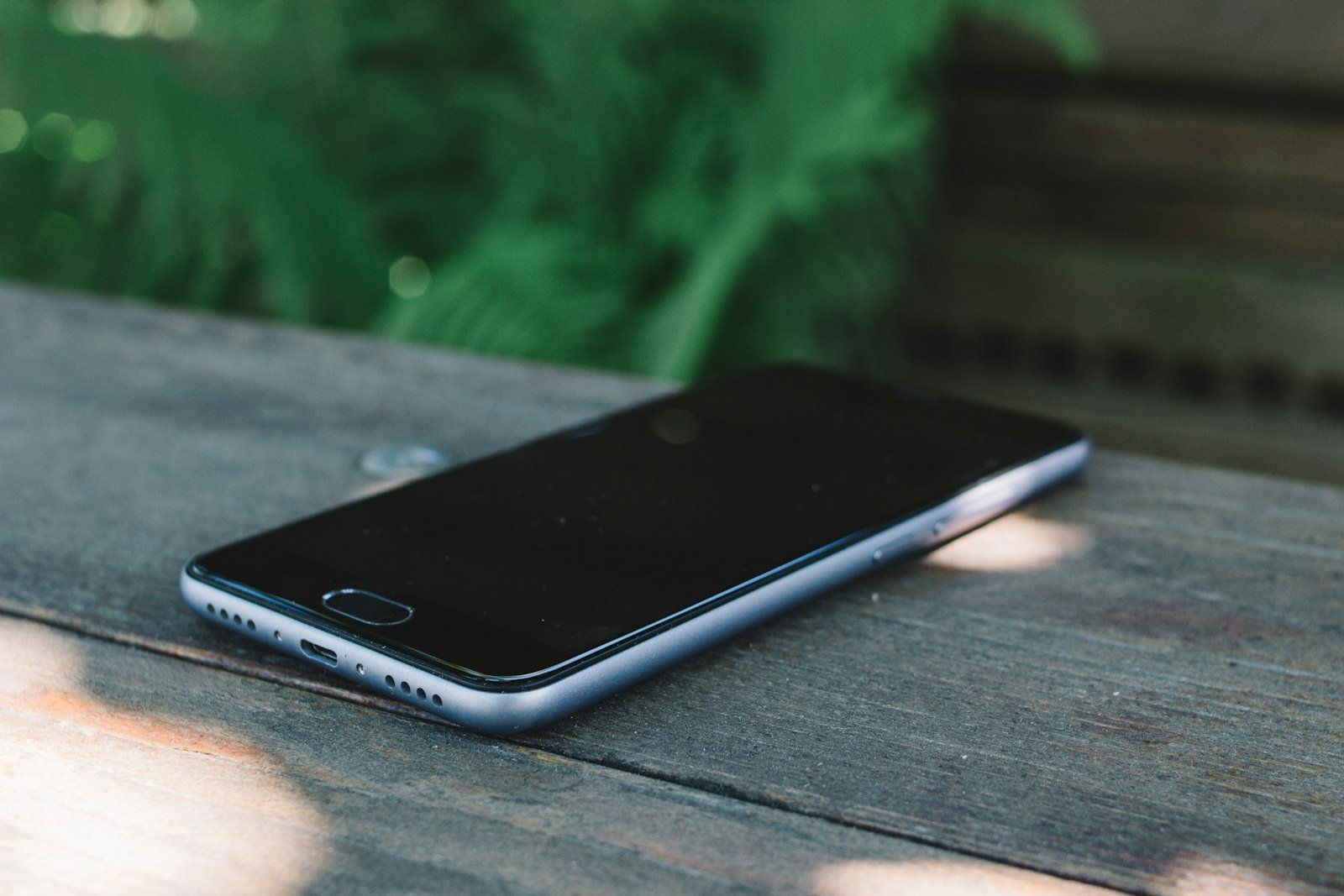
The phone leaves the room. In 2017, Adrian Ward and colleagues ran two experiments with nearly 800 smartphone users, most of them students. People did thinking and memory tests with their phone on the desk, in a pocket or bag, or in another room. The phone in another room did best; on the desk did worst — even switched off, even face-down. The limits: laboratory tests, not exam papers. Part of your mind is busy not picking the phone up, and that effort uses up the same attention you need for studying. You do not have to be scrolling for the phone to cost you focus. It only has to be there.
So the rule is physical: the phone charges in another room while you study.
“Willpower is a weak tool against a habit. Distance is a strong one — and the phone is the one distance that matters most.”
3. Starting is the hard part — shrink the first step
Ask a student what is hard about studying, and the answer is rarely the middle of the work. It is the first five minutes: opening the book, finding the page, doing the first thing. Once you have started, the work is usually easier than you feared.
Write the first step down the night before. Not the task — the first step, in words so small a child could follow them: “Open chapter 4, read the first two pages, write down three things it says.” Not “revise biology”. Write it on a sticky note and put it on the book. When you sit down, you do what the note says.
Use an if-then plan. Tie the first step to a time and a place: “When I finish lunch, I will sit at my desk and open chapter 4.” This is an implementation intention. Peter Gollwitzer described it in 1999 in American Psychologist: a plan that links a situation you expect to a response you have already chosen, so the situation triggers the action. In 2006, Gollwitzer and Sheeran pooled 94 tests and found a medium-to-large effect on reaching goals (d = 0.65). A much larger 2024 review pooled 642 tests and found a smaller effect (d = 0.36), falling to d = 0.15 after correcting for unpublished studies. The limits: averages across many kinds of goals, not students starting homework.
Start for two minutes only. Set a timer for two minutes. Open the book. Read one paragraph, write one sentence, solve one question. Then stop if you want to. Two minutes is too small to fail at.

End each block with a ready-to-resume note. When you stop studying, write one line about where you stopped and what comes next: “Photosynthesis — stopped at the light-dependent reactions, next: draw the diagram from memory.” This matters because of attention residue. In 2009, Sophie Leroy showed that when people switch from one task to another, part of their attention stays behind on the unfinished task, and their performance on the next task suffers. A later study by Leroy and Theresa Glomb (2018) found that a short written plan for how to resume reduced that residue and protected performance. The limits: small laboratory studies with working adults, not students.
“Starting is the hard part because starting is a decision. Write the first step down and make it too small to fail at.”
4. The phone plan — short, because the full plan is elsewhere
This section is deliberately short — two other articles on this site already give the full plan. Here is the minimum that works.
The rule, from section 2: the phone leaves the room during study blocks. Ward and colleagues (2017) showed that even a switched-off phone on the desk costs you attention, and the phone in another room did best. The rest is practical:
- Move the app off the home screen. If the app is one tap away, you will tap it. If it takes three taps and a search, you often will not.
- Turn off notifications for everything except calls and class groups. A notification is a decision you did not choose to make.
- Set a daily limit, and let someone else hold the passcode.
- Check the phone only between blocks, never inside one. A block is 25 to 50 minutes. The phone waits until the break.
If the phone is the main reason you cannot focus, do not stop here. The Dopamine Detox for Students article gives a seven-day plan for cutting back on scrolling and rebuilding deep work blocks. The Digital Detox for Students article gives a 14-day plan for redesigning your digital life around your learning goals.
“You do not beat the phone by wanting to. You beat it by putting it somewhere your hand cannot reach.”
5. A simple daily focus routine — morning to evening
A routine is not a personality. It is a list of things that happen at the same time every day, so you do not have to decide them again. The routine below is a practical plan, not a tested protocol — no study gives these exact times as a prescription.
| Time | Do this | Why it works |
|---|---|---|
| Morning, first 30 minutes | No scrolling. Eat, get dressed, write today’s first step on a sticky note. | Sets the day’s default |
| First study block | 25–50 minutes, one subject, phone in another room, timer on. | One block, one task |
| Break, 5–10 minutes | Get up. Walk, drink water, look out of a window. No phone. | A break spent scrolling is not a break |
| Second block | Same rules. End with a ready-to-resume note. | The note is tomorrow’s first step |
| Afternoon | Lighter work: review, flashcards, past-paper questions. | Afternoons suit review |
| Evening | Stop studying at a fixed time. Phone charges outside the bedroom. | A fixed stop protects sleep |
| Before bed | Lay out tomorrow’s books. Write tomorrow’s first step. | Morning-you decides nothing |
First, the routine is built on the first step, not on motivation. You do not wait to feel like studying. The sticky note, the fixed time and the phone in another room do the starting for you.
Second, a routine takes weeks to feel normal, not days. In 2010, Phillippa Lally and colleagues at University College London followed 96 volunteers who chose one new daily behaviour and repeated it in the same context for 12 weeks. Among the 39 whose data fitted the model well, the median time to reach near-automaticity was 66 days, with a range from 18 to 254 days. That range is the point: there is no fixed number of days after which a habit switches on, and the popular three-week figure is a myth that traces back to a 1960 book, not to an experiment.
Third, four honest blocks is a good day. Not ten. A student who does four focused blocks, with real breaks and the phone in another room, has done more real work than a student who sat at a desk for eight hours with the phone on it.

“A routine is not a personality. It is a list of things that happen at the same time every day, so you do not have to decide them again.”

6. What to do on a bad day
Some days the routine will not happen. You slept badly, the exam went badly, and the five habits feel like five more things you are failing at. That is a bad day, and bad days need a smaller plan — not a bigger one.
Do three things, and only three. First, one small act of care: eat, drink water, go outside for ten minutes. Second, one small act of work: one study block, one page, one problem. Third, one small act of contact: one message to one person.
Drop the rest without guilt. A routine that makes a bad day worse is not a routine, it is a punishment. On a bad day, the only job is to get to tomorrow in one piece.
Check the sleep first. Tiredness is the most common reason a day goes bad, and it is also the most misjudged. In 2003, Hans Van Dongen and colleagues kept 48 healthy adults on 4, 6 or 8 hours in bed per night for 14 days. By the end, the 6-hour group performed as badly as someone who had stayed up for two whole nights — while their ratings of their own sleepiness levelled off. The limits: 48 healthy adults in a laboratory, not students. If you have had three short nights, the fix is sleep, not a better routine.
Know when it is not a study problem. A routine helps with ordinary student stress. It does not help with everything. If any of the following has been true for two weeks or more, the right next step is not a better habit — it is a conversation with a parent, a teacher, a school counsellor, or a doctor: you feel sad, empty or hopeless most days; you feel anxious most days; you cannot sleep most nights; you have stopped enjoying things you used to like; or you have thoughts of harming yourself — tell someone today.
“On a bad day, the routine shrinks to three things: eat, do one block, tell one person.”
7. What to do this week — a small plan, not a promise
Seven days, one small action each day. This is a practical plan, not a tested protocol. If a day goes wrong, repeat the same day tomorrow — do not double up to catch up.
| Day | One action | What it practises |
|---|---|---|
| 1 | Clear your desk and pick one study place | The environment does the work |
| 2 | Write tomorrow’s first step on a sticky note tonight | Starting without deciding |
| 3 | One 25-minute block, phone in another room | The phone rule, once |
| 4 | End a block with a ready-to-resume note | Tomorrow’s first step, already written |
| 5 | Two blocks, same time as yesterday | The fixed time, twice |
| 6 | Study in the library or the quietest room you have | A place that does the work for you |
| 7 | Review the week: which day was easiest, and why? Keep that one rule | Keep one rule, not seven |

And one last honest limit: seven days will not transform you into a focused student. What it will do is give you seven pieces of evidence that you can clear a desk, start on time, and study with the phone in another room.
“Seven small actions, one a day. Not a transformation — a record. And a record is how focus starts.”
Pick one change. Start today.
You have just read seven sections. If you try all of them tomorrow, you will do none of them properly.
- Clear the desk and put the phone in another room.
- Write tomorrow’s first step on a sticky note tonight.
- Do one 25-minute block tomorrow, at a fixed time.
Next read: Procrastination for Students: Why You Put Things Off — and 5 Ways to Start · Dopamine Detox for Students: How to Get Your Focus Back in 7 Days · Digital Detox for Students: A 14-Day Plan to Get Focus Back · Time Management Tips for Students: How to Plan a Week You Can Actually Keep · Sleep Before Exams: How a Full Night’s Sleep Helps You Remember More · Mental Health Routine for Students: 5 Small Habits That Help on Stressful Days · Discipline vs Motivation for Students: The System That Carries You When the Feeling Fades · Active Recall for Students: How to Test Yourself and Actually Remember · Forgetting Curve: Why You Forget in 24 Hours and How to Stop It · Feynman Technique: Learn Anything Faster by Teaching It
Frequently Asked Questions
Q: Am I just lazy?
A: Probably not — and the label itself is part of the problem. Most students who call themselves lazy are actually tired, facing an unclear first step, avoiding a task that feels bad, or studying with a phone on the desk. Find which one is true today, and fix that one thing.
Q: Does my study space really matter?
A: It matters, but less than the old post claimed. A stable study place helps because the place becomes the cue to start. Godden and Baddeley (1975) showed recall is better when the test environment matches the study environment. What matters most in the room is what is not in it: the phone. Ward and colleagues (2017) found that a phone in another room beat a phone on the desk.
Q: How long does it take to build a focus routine?
A: There is no fixed number of days. Lally and colleagues (2010) followed 96 people building one new daily habit and found a median of 66 days to near-automaticity, with a range from 18 to 254 days. The popular three-week figure is a myth from a 1960 book, not an experiment.
Q: What if I try the two-minute start and still cannot focus?
A: First, check the basics: did you sleep enough, is the phone in another room, and is the first step small enough — one page, one question? If the answer to all three is yes and you still cannot focus most days, that may not be a study problem.
Q: Will this raise my grades?
A: No study in this article shows that changing your study space or starting a routine by itself raises grades, and this article promises no such thing. What the research shows is narrower: a phone in the room costs you attention, an unfinished task keeps pulling at your mind, and a small written plan makes starting more likely. Better focus gives your study methods a chance to work.
Sources
- Ward, A. F., Duke, K., Gneezy, A. & Bos, M. W. (2017), “Brain Drain: The Mere Presence of One’s Own Smartphone Reduces Available Cognitive Capacity”, Journal of the Association for Consumer Research 2(2): 140–154 — nearly 800 smartphone users in two experiments: a phone in another room beat a phone on the desk, even switched off. Lab tests, not exams.
- Leroy, S. (2009), “Why is it so hard to do my work? The challenge of attention residue when switching between work tasks”, Organizational Behavior and Human Decision Processes 109(2): 168–181 — switching from an unfinished task leaves attention behind and hurts the next task. Small lab studies.
- Leroy, S. & Glomb, T. M. (2018), “Tasks Interrupted: How Anticipating Time Pressure on Resumption Affects Attention Residue and Performance”, Organization Science — a short written plan for resuming reduced attention residue. Lab studies, not students.
- Gollwitzer, P. M. (1999), “Implementation intentions: Strong effects of simple plans”, American Psychologist 54(7): 493–503. Gollwitzer & Sheeran (2006) pooled 94 tests (d = 0.65); Sheeran, Listrom & Gollwitzer (2024) pooled 642 tests (d = 0.36; d = 0.15 corrected). Averages across many kinds of goals.
- Lally, P., van Jaarsveld, C. H. M., Potts, H. W. W. & Wardle, J. (2010), “How are habits formed: Modelling habit formation in the real world”, European Journal of Social Psychology 40(6): 998–1009 — 96 volunteers, one new daily behaviour for 12 weeks: median 66 days to near-automaticity, range 18–254 days. Self-reported.
- Godden, D. R. & Baddeley, A. D. (1975), “Context-dependent memory in two natural environments: On land and underwater”, British Journal of Psychology 66(3): 325–331 — 18 divers, 36-word lists: recall about 50% higher when environments matched. One small experiment.
- Van Dongen, H. P. A., Maislin, G., Mullington, J. M. & Dinges, D. F. (2003), “The cumulative cost of additional wakefulness: Dose-response effects on neurobehavioral functions and sleep physiology from chronic sleep restriction and total sleep deprivation”, Sleep 26(2): 117–126 — 48 adults on 4, 6 or 8 hours in bed for 14 days: the 6-hour group performed as badly as two nights without sleep, while feeling adjusted. Lab adults, not students.
- Sirois, F. M. & Pychyl, T. A. (2013), “Procrastination and the priority of short-term mood regulation: Consequences for future self”, Social and Personality Psychology Compass 7(2): 115–127 — a review arguing delay repairs a bad mood now, and the cost lands on the future self. A review, not one experiment.
This article is general study guidance, not medical advice. If low mood, anxiety or poor sleep has lasted two weeks or more, talk to a parent, a teacher, a school counsellor, or a doctor.